 sprinting boxes
You can't beat the simplicity when capturing 360° footage
When it comes to simplicity and ease, very little could beat the first version of the camera rig. There was a sale at Costco and I picked up an Insta360 X5 bundle that came with an extra battery, huge sd card, and selfie stick. All I needed was another tripod and I was in business. Will Chen had proved it all out already. I didn’t need to aim in any particular direction, just put cones out so that people didn’t bump into it.
Following the action became effortless
Since it’s the same technology and formats used for virtual reality setups, Youtube already has support for 360° footage. Without needing to do any post-processing, you can just export your footage from the camera, upload it to youtube, and then drive the scene. For ultimate games, this simplified so much: the playing field is super big, and where in that area the action is currently happening moves around. Not only can you seek to whatever timecode you want like a standard video, you can also zoom in and pan around.
end-to-end block to huck to score
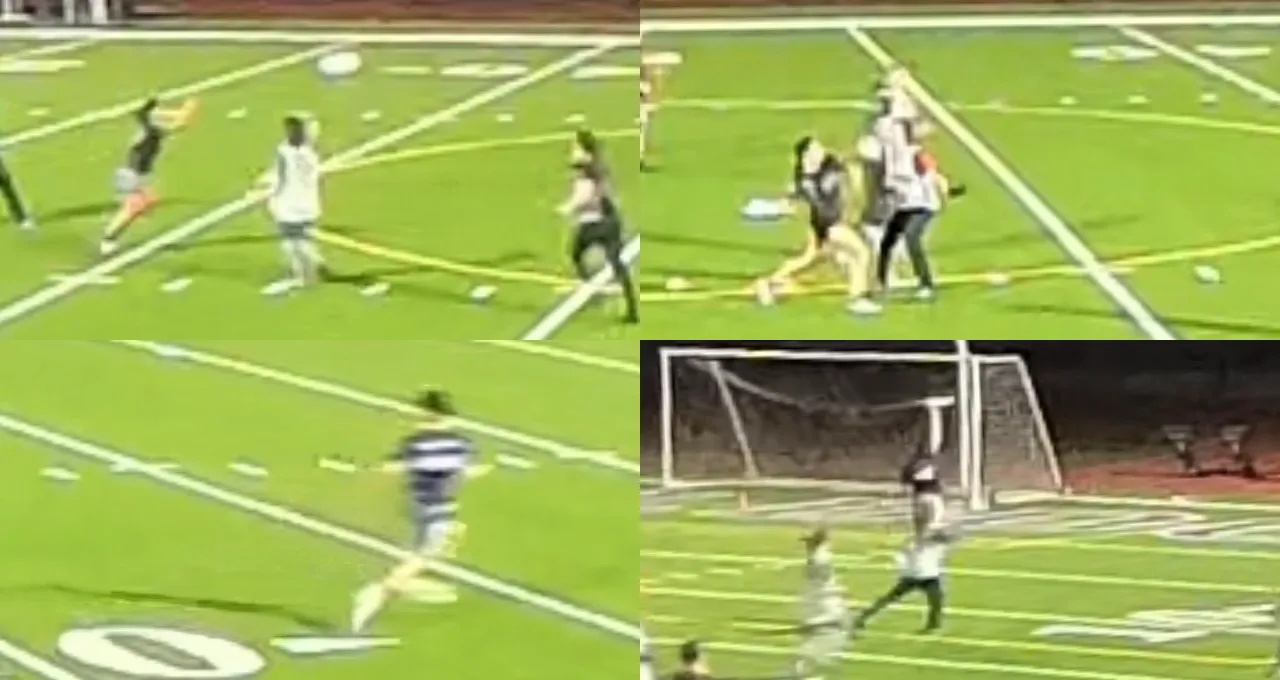
deep dive focus on the handler reset positioning
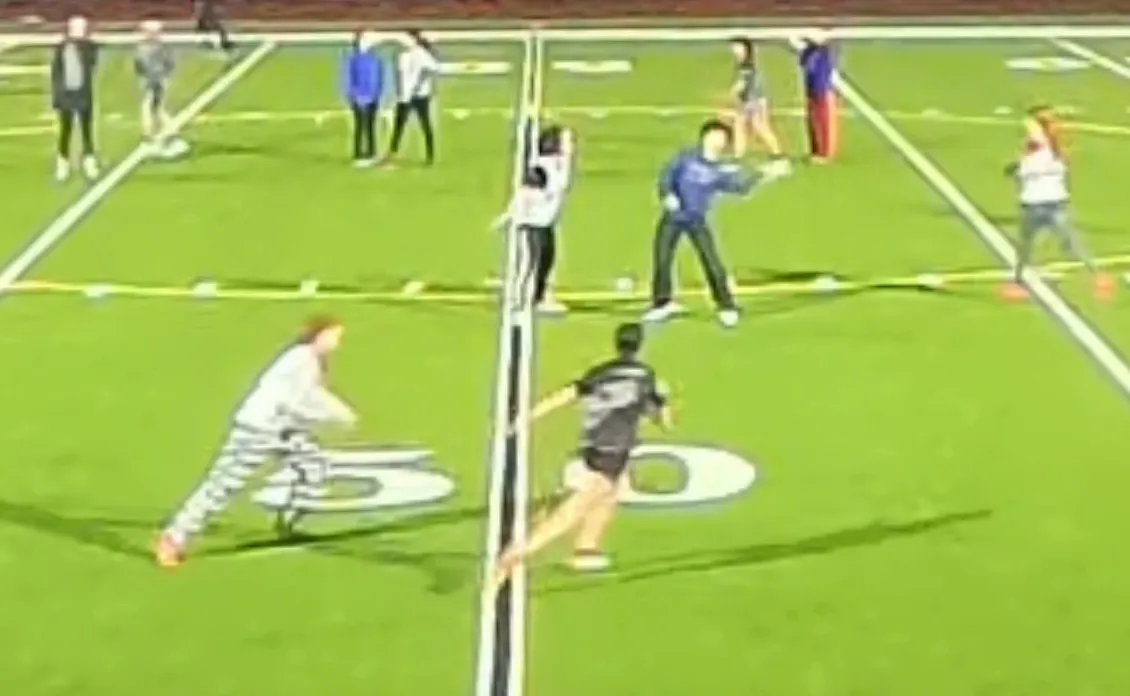
breakdown continue or fill cut timing from the break side
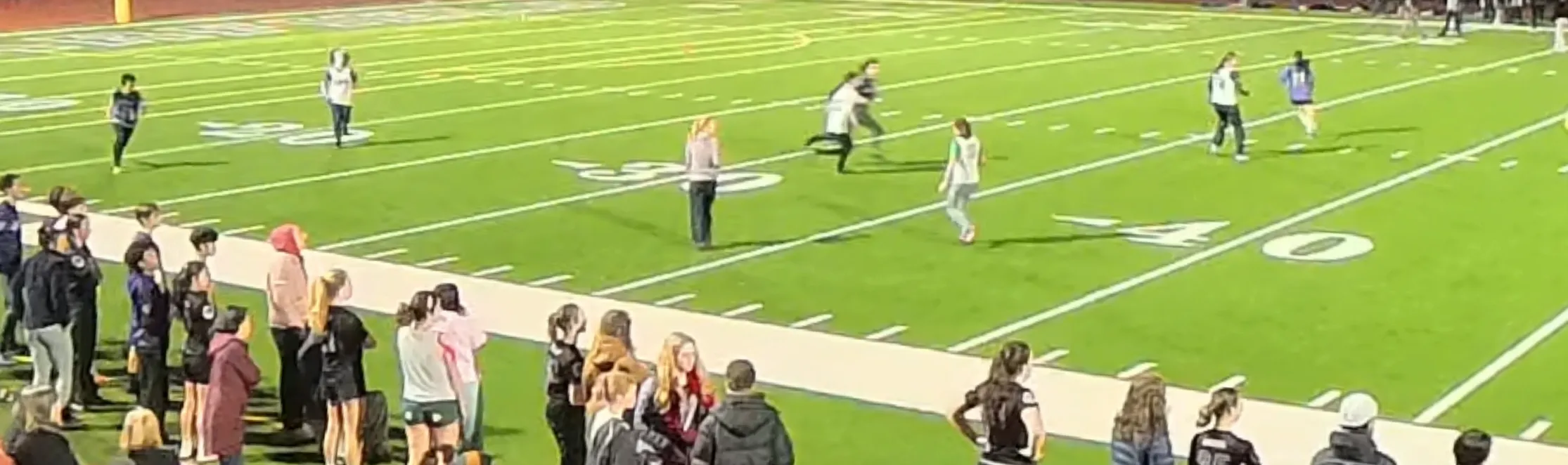
me eating dinner in almost every game

Extracting point starts and pull sides made consuming full games so much nicer
- Will built fisheye: a super slick, super fast way to get youtube chapters and scores from 360° footage without uploading anything, directly in your browser.
- Using Will’s same point-start and pull-side detection algorithms, I built my own solution. We had different end user goals, however, and I took a rust backend, video pipeline, and a human auditor approach.